
5 Things Your Gut Is Trying to Tell You
- Total Health Chiropractic

- Mar 24
- 4 min read
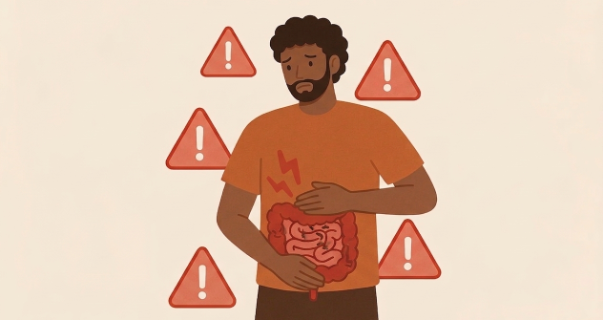
It is easy to overlook your gut when everything feels normal.
There are no obvious warning signs, no strong discomfort, and nothing that feels urgent enough to pay attention to. Most days, your body simply carries on, and your gut works quietly in the background without much notice.
But every now and then, you may feel small changes. A slight discomfort after eating, a dip in energy, or a sense that something feels a little different. These moments are often subtle, and it is easy to move past them without a second thought.
Yet your gut is always communicating with you in its own way.
It is not just about digestion. It is about how your body feels, functions, and responds over time. When you begin to notice these small signals, you may start to realise that your gut has been telling you more than you think.
What Your Gut Might Be Trying to Tell You
Inside your gut lives a complex community of bacteria that plays a much bigger role than most people realise.
These tiny organisms help your body break down food, absorb nutrients, and support your immune system. They also influence how your body manages energy, responds to stress, and regulates inflammation.
Because of this, your gut health is closely connected to many areas of your overall wellbeing.
There are several ways your gut may be quietly influencing your health:

1. Obesity and Metabolic HealthYour gut bacteria play a role in how your body processes food, stores fat, and regulates blood sugar. When your gut is well balanced, your body is better able to manage energy and maintain a healthy metabolism. When it is not, you may notice changes such as feeling sluggish after meals or finding it harder to maintain your weight despite similar habits.
2. Non-Alcoholic Fatty Liver HealthYour gut and liver are closely connected through what is often called the gut-liver axis. When your gut environment is out of balance, it may affect how your liver processes nutrients and toxins. Over time, this can place additional stress on your liver, even if you do not feel obvious symptoms in the early stages.
3. Inflammation and Gut HealthYour gut lining acts as a protective barrier, helping to regulate what enters your bloodstream. When this barrier is supported, your body tends to feel more balanced. When it is disrupted, it may lead to increased inflammation, which can show up as digestive discomfort, bloating, or even a general sense of fatigue and sensitivity in the body.
4. Blood Sugar Balance and Diabetes RiskYour gut microbiome can influence how your body responds to insulin, which is key for maintaining stable blood sugar levels. An imbalanced gut may make it harder for your body to regulate sugar effectively, leading to energy dips, cravings, or fluctuations in how you feel throughout the day.
5. Long Term Colon HealthA well balanced gut environment helps support a healthy digestive system and protects the lining of your colon. Over time, maintaining this balance plays an important role in supporting long term digestive health and reducing potential risks. While these changes are not always noticeable day to day, they are important for your overall wellbeing.
When you look at it this way, your gut is not just reacting to your lifestyle. It is reflecting it.
Understanding Your Gut and Supporting It Daily
One of the most powerful things about gut health is that it gives you a chance to understand your body earlier.
Many people wait until something feels wrong before paying attention. But your gut often shows signs long before that happens. These signs may be small and easy to ignore, but they are part of an ongoing conversation your body is having with you.
By becoming more aware of these signals, you can begin to support your body in a more intentional way.
Simple choices can go a long way.

Including foods like garlic, onions, bananas, and asparagus can help support the good bacteria in your gut. These foods help nourish and strengthen your gut environment over time.
Staying active also plays an important role. Movement supports digestion and circulation, helping your body function more efficiently. Even regular walking can make a difference.
Managing stress is another important piece. Your gut and your nervous system are closely connected. When stress builds up, your gut may feel it too.
These are small habits, but when done consistently, they can make a meaningful difference in how your body feels.
Your body is always communicating with you.
When you begin to listen more closely, you start to understand what your body needs.
And when you understand your gut, you are not just improving digestion. You are taking a step toward supporting your long-term health in a more mindful and informed way.
Curious to see what your gut insights could look like? In next week’s article, we will walk you through a sample report and show how we turn these findings into a clear and practical action plan.


