
Why Your Lower Back Keeps Acting Up
- Total Health Chiropractic
- 14 minutes ago
- 3 min read

Here's an uncomfortable truth: if your lower back hurts after almost every workout, stretching more isn't going to fix it. Neither is resting for a few days and hoping for the best. Recurring pain has a cause, and it's usually hiding somewhere you haven't looked yet.
Let's talk about what's actually going on, and what helps.
A little soreness isn't the enemy
Some tightness or dull ache after exercise is completely normal. Your muscles work hard, especially in the lower back, which is involved in nearly every movement you make, whether you're deadlifting, doing rows, or just standing at your desk all day. This kind of soreness usually eases within a day or two and is simply a sign that your body is adjusting to new demands.
The trouble starts when that "normal" soreness becomes a familiar guest. If your lower back hurts after almost every session, or the pain lingers well past a couple of days, that's your body telling you something needs attention.
When it's more than just soreness
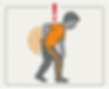
Pay attention if you notice any of the following: sharp pain that catches your breath, pain that spreads down a leg, discomfort that worsens instead of fading, numbness or tingling, or a sense that your leg might give way. These aren't things to push through. They're signs worth having properly assessed rather than guessed at.
Why does this keep happening to you specifically?
Recurring back pain rarely comes from one bad workout. More often, it's the result of small, repeated stressors piling up. Common culprits include skipping warm-ups, ramping up intensity too quickly, a core that isn't pulling its weight, tight hips or hamstrings limiting your range of motion, or simply moving with poor mechanics without realising it.
Here's the part most people miss: your body is remarkably good at compensating. If one area is weak or tight, another area quietly picks up the slack, usually your lower back. Over weeks and months, that compensation pattern becomes the real source of your pain. And no amount of stretching alone will fix a mechanical issue that keeps getting reinforced every time you move.

This is exactly where a chiropractor becomes useful. Rather than treating each flare-up as a separate event, an assessment can identify the actual movement pattern, joint restriction, or muscular imbalance driving the cycle, so you're addressing the cause instead of chasing the symptom.
What helps in the short term
If your back is acting up right now, the instinct to stay still and avoid movement is understandable, but it usually backfires. Research consistently shows that staying gently active helps people recover faster than resting completely. Try short walks, light stretching, or mobility work that doesn't aggravate the area. Heat can help relax tight muscles, while ice is useful for calming acute inflammation. Choose whichever feels better for your body.
What actually prevents it from coming back
1) Warm up properly. Five to ten minutes of dynamic movement prepares your joints and muscles before you load them.
2) Build real core strength. Not just crunches, but the deep stabilising muscles that support your spine through everyday movement.
3) Progress gradually. Sudden jumps in weight, distance, or intensity are one of the most common triggers for back strain.

4) Stay flexible. Tight hamstrings and hips place extra load on your lower back to compensate.
5) Mix up your training. Repetitive movement patterns overwork the same structures again and again.
6) Cool down. Easing out of activity matters just as much as easing into it.

The real fix
Occasional soreness is your body adapting. Recurring pain is your body asking for help. If your lower back keeps interrupting your workouts, your work, or your sleep, it's worth getting a proper assessment rather than hoping it resolves on its own. A chiropractor can pinpoint what's actually driving the pattern and build a plan to break the cycle for good, so you can move, train, and live without that nagging worry in the back of your mind.