Can Scoliosis Kill You
- Total Health Chiropractic

- 1 hour ago
- 5 min read

Medical professional in mask and gloves examining a chest X-ray indoors.
Can Scoliosis Kill You and Does it Get Worse With Age?
In most cases, no. Scoliosis is usually mild and does not become life-threatening. However, very severe curves, particularly those that affect the chest and lungs, can cause serious complications. Whether scoliosis gets worse with age also depends on factors such as the severity and type of the curve, whether the person is still growing, and age-related changes to the spine.
For anyone concerned about scoliosis progression, understanding the difference between a stable spinal curve and one that is becoming more severe is important. This guide explains when scoliosis may become serious, how aging can affect the condition, and what signs should prompt professional evaluation.
Can Scoliosis Be Life-Threatening?
For most people, scoliosis is not life-threatening. Mild and moderate curves commonly cause few or no serious health problems. However, extremely severe scoliosis can sometimes affect the amount of space available for the lungs and interfere with normal breathing.
The risk is particularly relevant in certain forms of early-onset scoliosis, where a severe untreated curve can interfere with chest development and pulmonary function. The Scoliosis Research Society notes that severe early-onset scoliosis can be associated with an increased risk of early death from heart and lung disease.
This is very different from saying that scoliosis generally causes death. For the vast majority of people with scoliosis, the condition can be monitored and managed without it becoming life-threatening.
Does Scoliosis Get Worse With Age?
Scoliosis can progress with age, but it does not inevitably worsen for everyone. Curve progression is particularly likely during periods of rapid growth in children and adolescents. After skeletal maturity, some curves remain relatively stable, while others may progress gradually.
Adults can also develop or experience progression of scoliosis because of age-related degeneration of the spine. Changes such as arthritis and other degenerative conditions can contribute to increased pain, reduced mobility, and changes in spinal alignment.
If you already have scoliosis, regular assessment can help determine whether the curve is changing and whether symptoms require further attention. Total Health Chiropractic's scoliosis care information discusses the importance of recognizing changes in posture and spinal curvature.
What Are the Risks of Severe Scoliosis?
The potential complications of scoliosis depend heavily on the size and location of the curve. Severe curves involving the thoracic spine can, in some cases, reduce chest volume and make breathing more difficult.
Other possible effects may include:
Persistent or worsening back pain
Reduced mobility
Changes in posture and body symmetry
Muscle imbalance
Difficulty standing upright
Breathing difficulties in severe cases
It is important to remember that having a spinal curve does not automatically mean these complications will develop. The Scoliosis Research Society notes that spinal curvature only rarely places pressure on the heart and lungs in adolescent idiopathic scoliosis.

High-resolution X-ray showing a detailed examination of human spine with scoliosis
What Are the Warning Signs to Watch For?
A change in symptoms does not necessarily mean scoliosis is becoming dangerous, but certain signs warrant professional evaluation.
Pay particular attention to:
Warning Sign | Why It Matters |
Rapidly changing spinal curvature | May indicate progression |
Increasing or persistent back pain | May require assessment for additional causes |
Difficulty standing upright | Can indicate functional changes |
New breathing difficulties | Severe thoracic curves can affect chest function |
Numbness or nerve-related symptoms | May indicate neurological involvement |
Noticeable changes in posture or asymmetry | Can accompany progression |
Total Health Chiropractic also identifies rapid worsening, severe pain, difficulty standing upright, breathing discomfort, and nerve-related symptoms as reasons to seek further evaluation.
If you experience significant or sudden breathing difficulty, weakness, numbness, or other serious symptoms, seek appropriate medical attention rather than assuming they are simply caused by scoliosis.
How Is Scoliosis Monitored and Managed?
Assessment typically considers the person's age, symptoms, spinal alignment, and whether the curve is changing. Physical examination and imaging may be used to evaluate the spine and determine the severity of the curvature.
Management depends on the individual. Mild cases may simply require observation, while growing children with certain curves may benefit from bracing. More severe curves may require specialist assessment and, in selected cases, surgery.
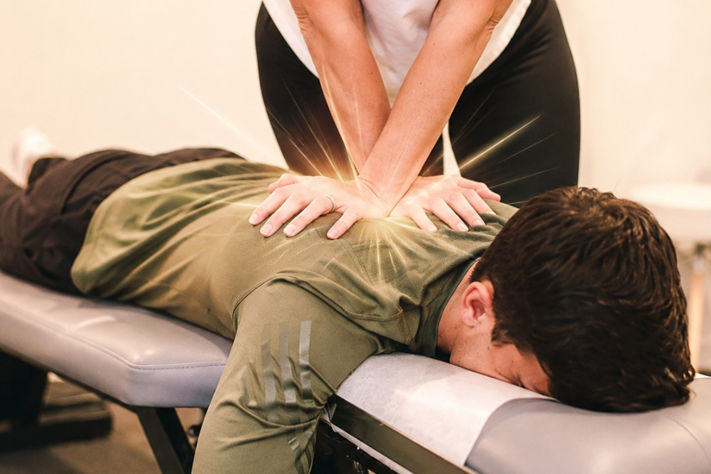
For people experiencing pain, stiffness, posture concerns, or movement difficulties, supportive care may also form part of a broader management plan. Total Health Chiropractic provides personalized chiropractic care in Singapore for conditions including scoliosis, back pain, poor posture, and other musculoskeletal concerns. Their approach includes assessment and individualized recommendations rather than treating every patient in the same way.
You can also read Total Health Chiropractic's guide to chiropractic care and scoliosis for more information about the supportive role chiropractic care may play. Chiropractic care should not be presented as a way to cure or permanently straighten structural scoliosis.
When Should You See a Professional?
If you notice a new or worsening spinal curve, persistent pain, changes in posture, or difficulty with movement, an appropriate healthcare professional can assess what may be causing the symptoms. A proper evaluation is especially important when symptoms are progressing rather than remaining stable.
Total Health Chiropractic has clinics across Singapore and provides first-visit consultations where patients can discuss their concerns and undergo an initial assessment.

Chiropractor uses kinesio tape for pain relief on woman's back in a therapy session
FAQs
Can scoliosis kill you?
Usually, no. Most scoliosis is mild and is not life-threatening. Extremely severe curves can affect lung and heart function, particularly in certain cases of early-onset scoliosis.
Does scoliosis get worse as you get older?
It can. Scoliosis is more likely to progress during growth, while adults may experience progression associated with age-related spinal degeneration. However, not every curve worsens with age.
Can scoliosis affect your breathing?
Severe scoliosis, particularly curves affecting the thoracic region, can reduce chest volume and interfere with normal breathing. This is not typical of mild scoliosis.
Is scoliosis always painful?
No. Many people with scoliosis have few or no symptoms. Pain can occur, particularly in adults, and may also be related to degenerative changes or other conditions affecting the spine.
Can chiropractic care cure scoliosis?
Chiropractic care should not be considered a cure for structural spinal curvature. It may be used as supportive care for symptoms such as back pain, stiffness, posture imbalance, and reduced mobility.
What should I do if my scoliosis symptoms are getting worse?
Arrange an appropriate professional assessment, particularly if you develop increasing pain, noticeable curve progression, neurological symptoms, or breathing difficulties. Early evaluation can help determine whether additional investigation or specialist care is needed.